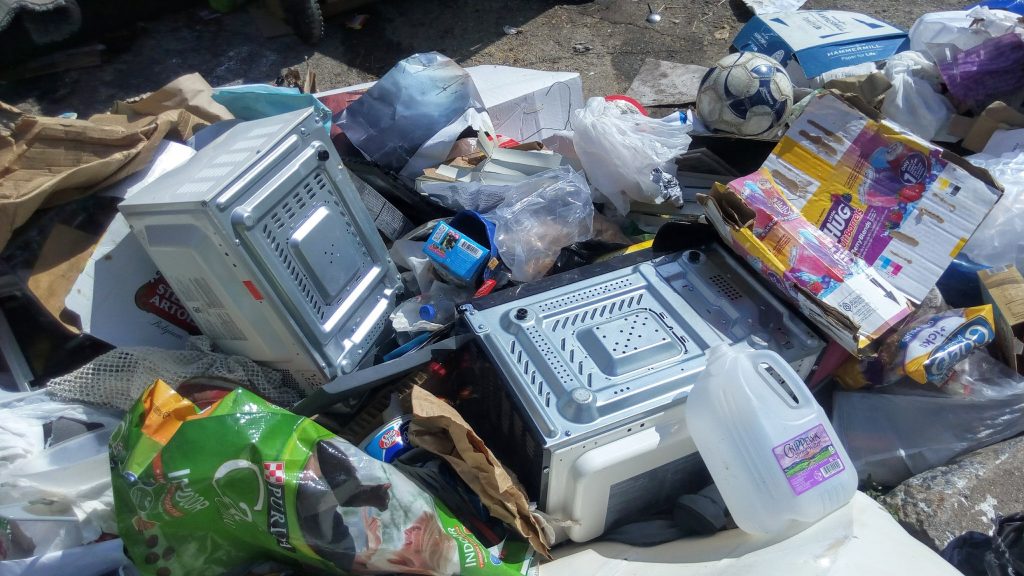
Zero waste is a movement aimed at reducing and eventually eliminating waste by focusing on the lifecycle of products, but it’s not just about recycling, getting to “absolute zero,” or minimizing landfill waste alone. It emphasizes resource management over traditional waste management, discourages waste-to-energy methods that use incineration, and advocates for designing products with end-of-life solutions in mind.
True zero waste is guided by a set of principles:
Refuse unnecessary plastic and single-use items.
Reduce reliance on plastic and make mindful consumption choices.
Reuse by opting for long-lasting products and second-hand goods.
Repair items instead of quickly replacing them.
Recycle where possible, though recycling alone is insufficient.
This approach extends to issues like food waste, which contributes heavily to environmental harm. In 2022, households alone accounted for 60% of global food waste. By designing products that avoid disposal and promoting sustainable practices, the zero waste philosophy aims to transform our approach to consumption and waste, encouraging a future with less environmental impact.